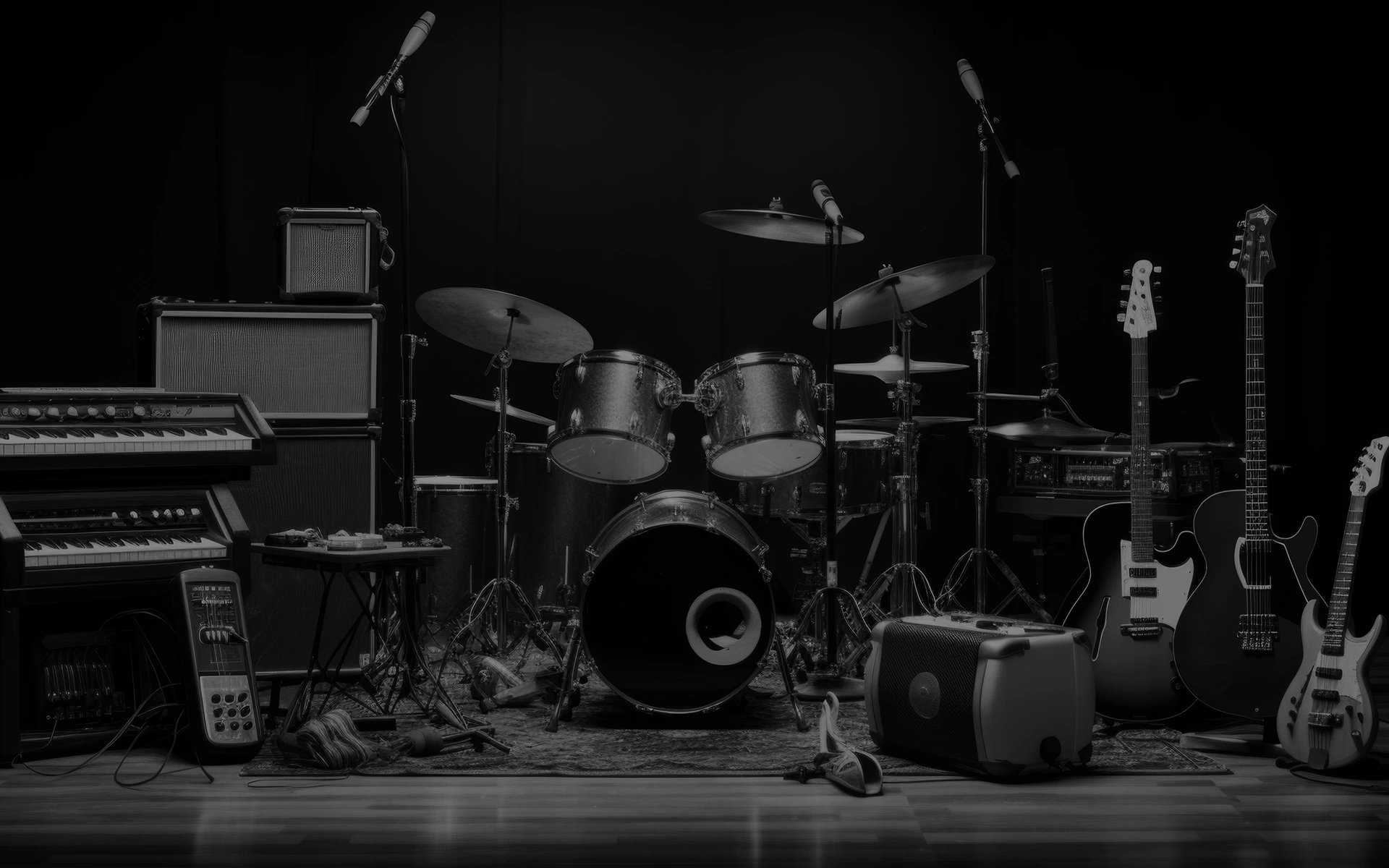
The core components of instrumental musical expression
An overview of acoustic instruments, genres, and essential elements that shape creative sonic art and performance.


Getting started and progressing in instrumental music
Beginning to play acoustic instruments requires patience, consistency, and curiosity. By combining music theory, attentive listening, and daily practice, every student can develop fingering technique and musical ear. Playing ensembles or participating in workshops also strengthens creativity and confidence, while making the journey more motivating and rewarding.
Essential accessories for practicing musicians

Metronomes and tuners
Digital devices for maintaining consistent BPM tempo and accurate chromatic pitch.
Fundamentals of instrument care and preservation
The importance of proper tuning
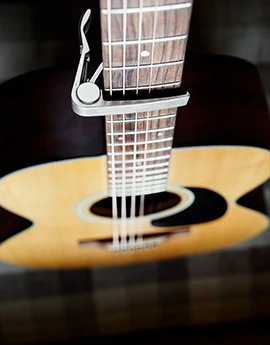
Regular tuning is critical for ensuring an instrument produces correct pitches and maintains proper intonation. It is the first step before any rehearsal. Using a clip-on tuner or tuning fork helps achieve frequency accuracy. For many instruments, consistent tuning also helps maintain structural tension, which is important for long-term health, particularly for stringed instruments like acoustic guitars and pianos.
Procedures for cleaning and maintenance
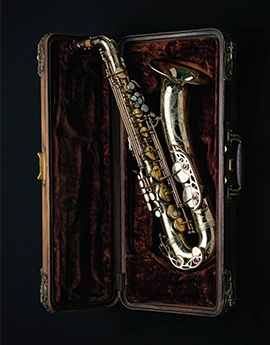
Routine cleaning prevents the buildup of dust, rosin, and residue damaging an instrument’s varnish. Using appropriate cloths and polish for the specific material—whether maple, brass, or synthetic—is essential. Periodic maintenance, such as oiling valves on a trumpet or changing bow strings on a cello, ensures the instrument remains in optimal playing condition and extends its lifespan.
The influence of climate on instruments
Environmental factors, especially humidity and temperature, can have a significant impact on musical instruments, particularly those made of spruce. Excessive dryness can cause wood to crack, while high humidity can cause it to swell, affecting playability and tone. Storing instruments in a climate-controlled environment or using in-case hygrometers helps to mitigate these risks and preserve the instrument’s structural integrity over time.